Yorkshire butterflies
The butterflies of Yorkshire.
Yorkshire butterflies: brimstone
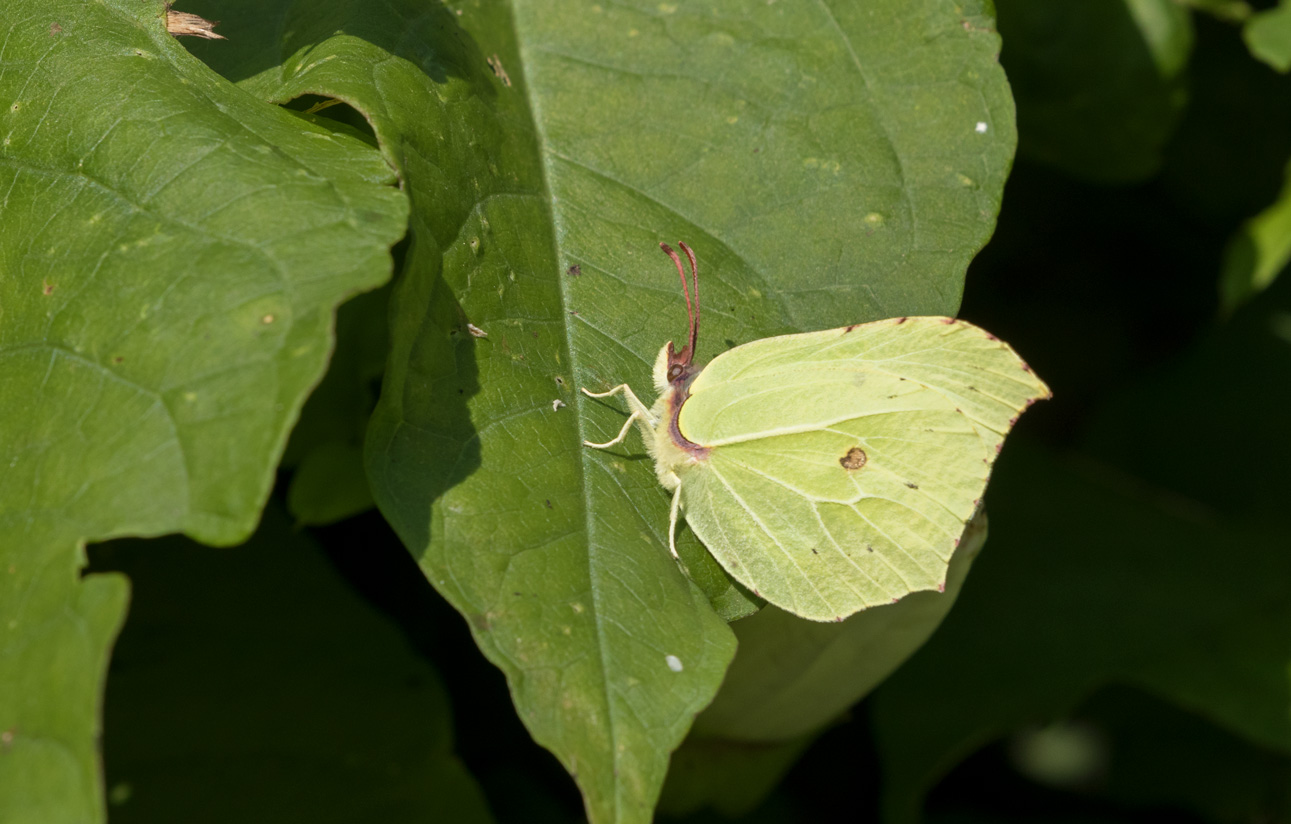
The butterfly may be so-called because of the yellow colour of male brimstones (Butterfly Conservation). Brimstones have spread north, into northern England, in recent years.
The males are yellow, with yellow-green underwings. The females are pale green. The colour of brimstones' wings, and the veins in them, combine to make these butterflies look like leaves when they roost in foliage.
Yorkshire butterflies: comma
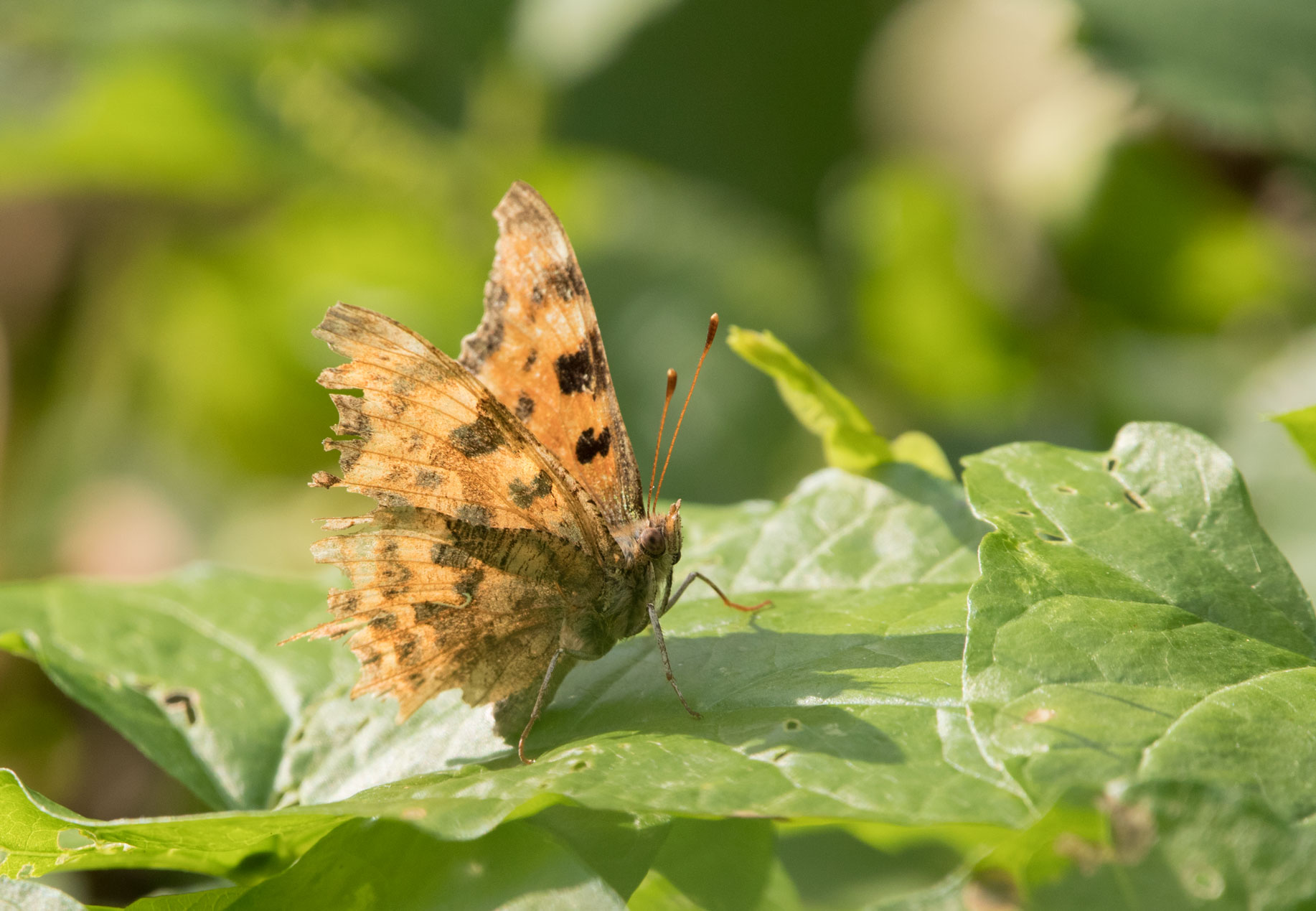
The comma is a butterfly which has declined severely, but which is making a comeback.
The ragged shape of its wings, and their colouring, enables hibernating adults to blend in against dead leaves. Larvae are brown and white, and resemble bird droppings.
This comma was in a patch of open ground on the edge of woodland, where a lot of nettles (the main food plant for the larvae) grow, at Staveley nature reserve. A sign indicates that the patch of ground is specifically intended for comma butterflies...those people at the Yorkshire Wildlife Trust know what they're doing!
Yorkshire butterflies: painted lady

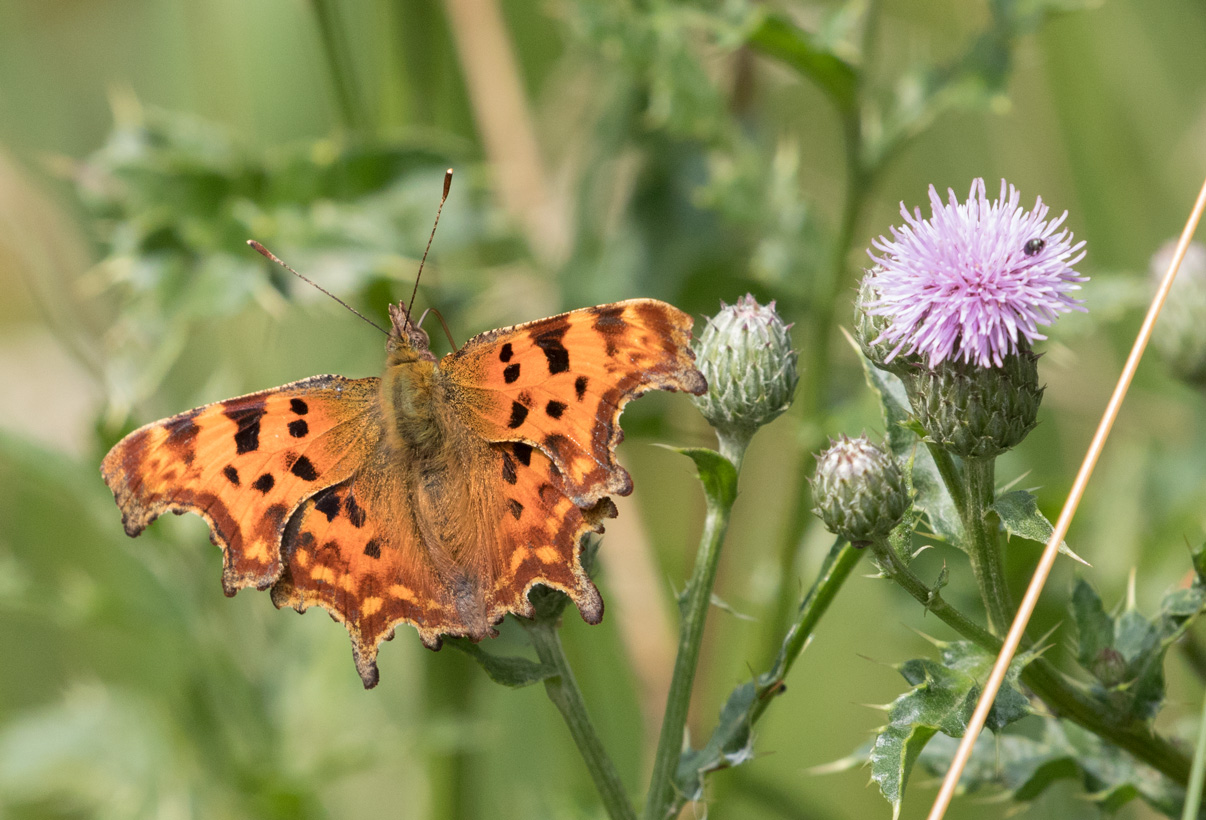
The painted lady butterfly.
Yorkshire butterflies: peacock
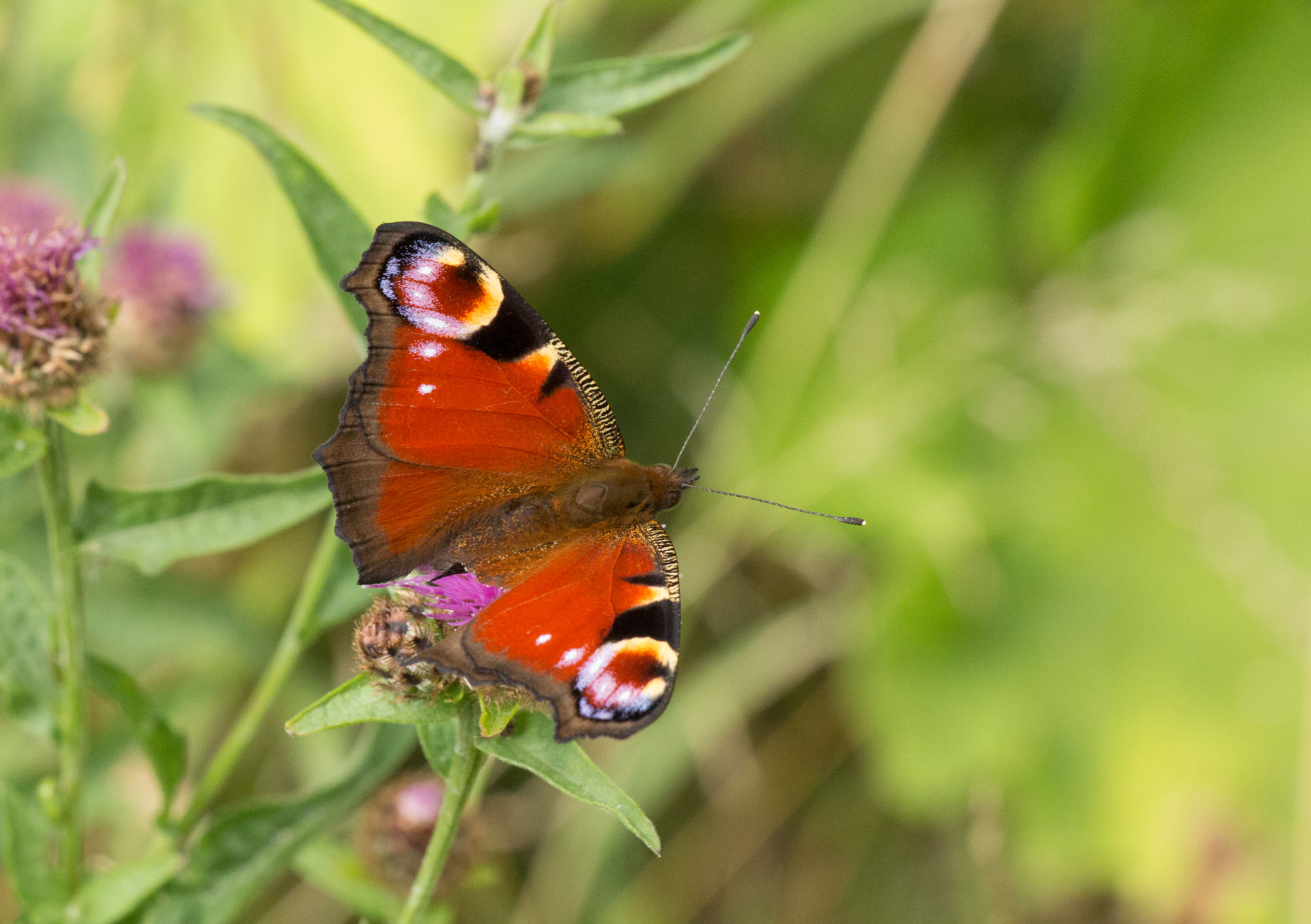
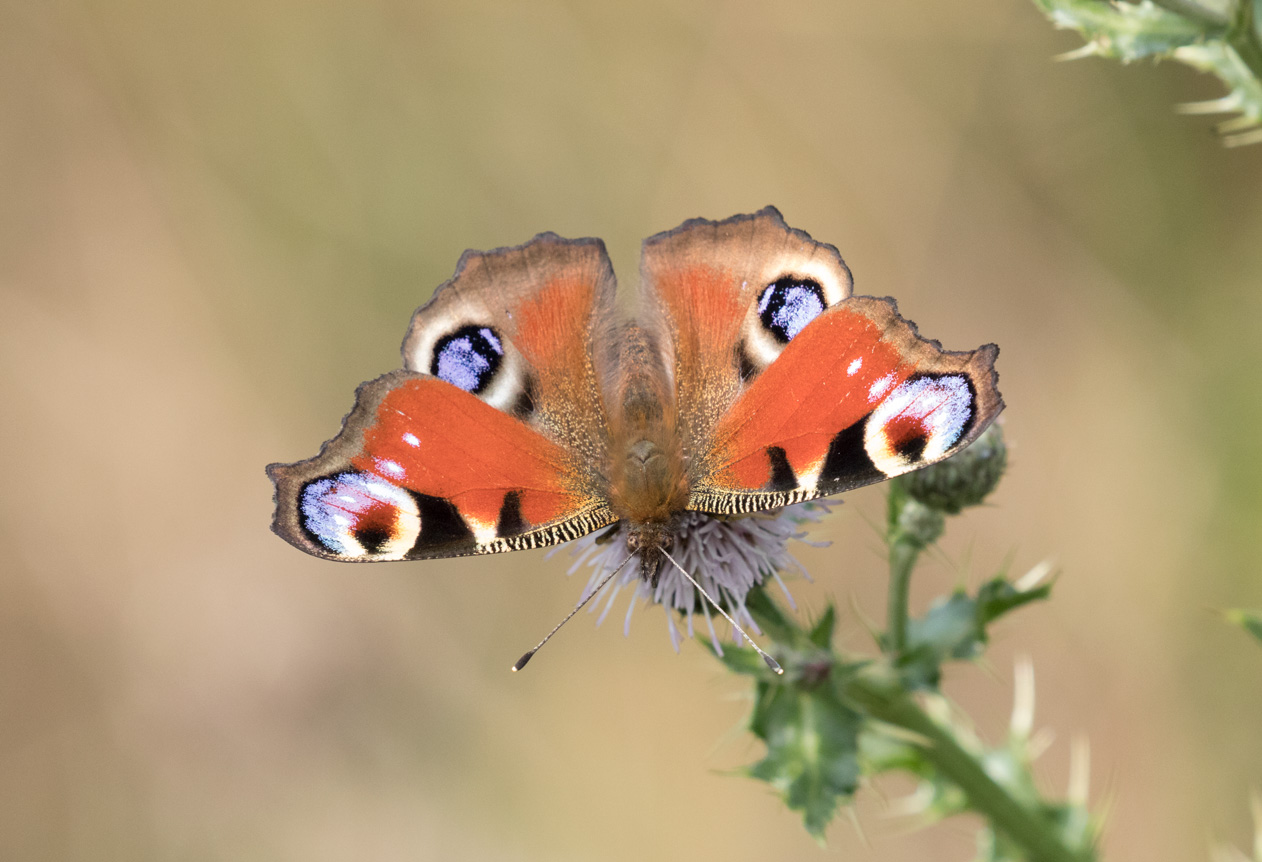
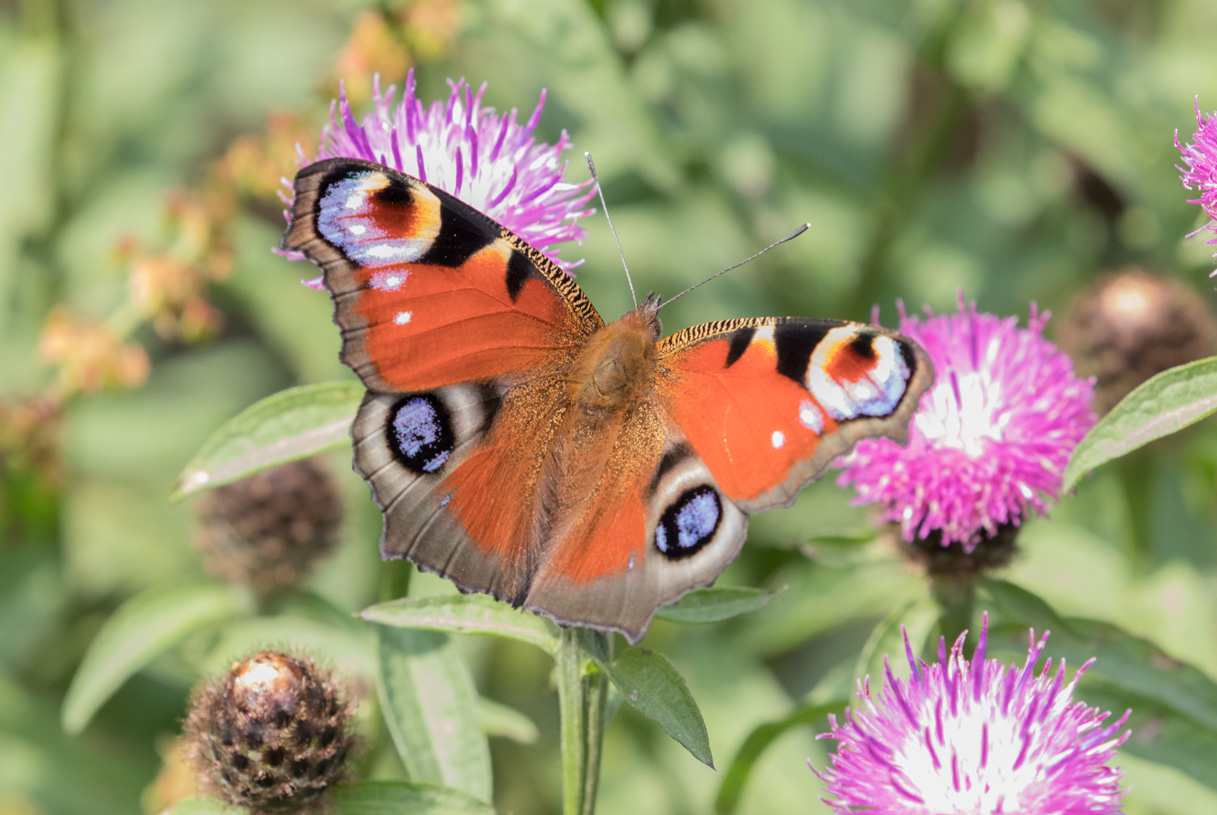
In early August, there is a proliferation of peacocks in Timble Woods, near Fewston and Swinsty reservoirs. They gather at a patch of knapweed in a sunny spot that's sheltered from the wind.
Yorkshire butterflies: red admiral
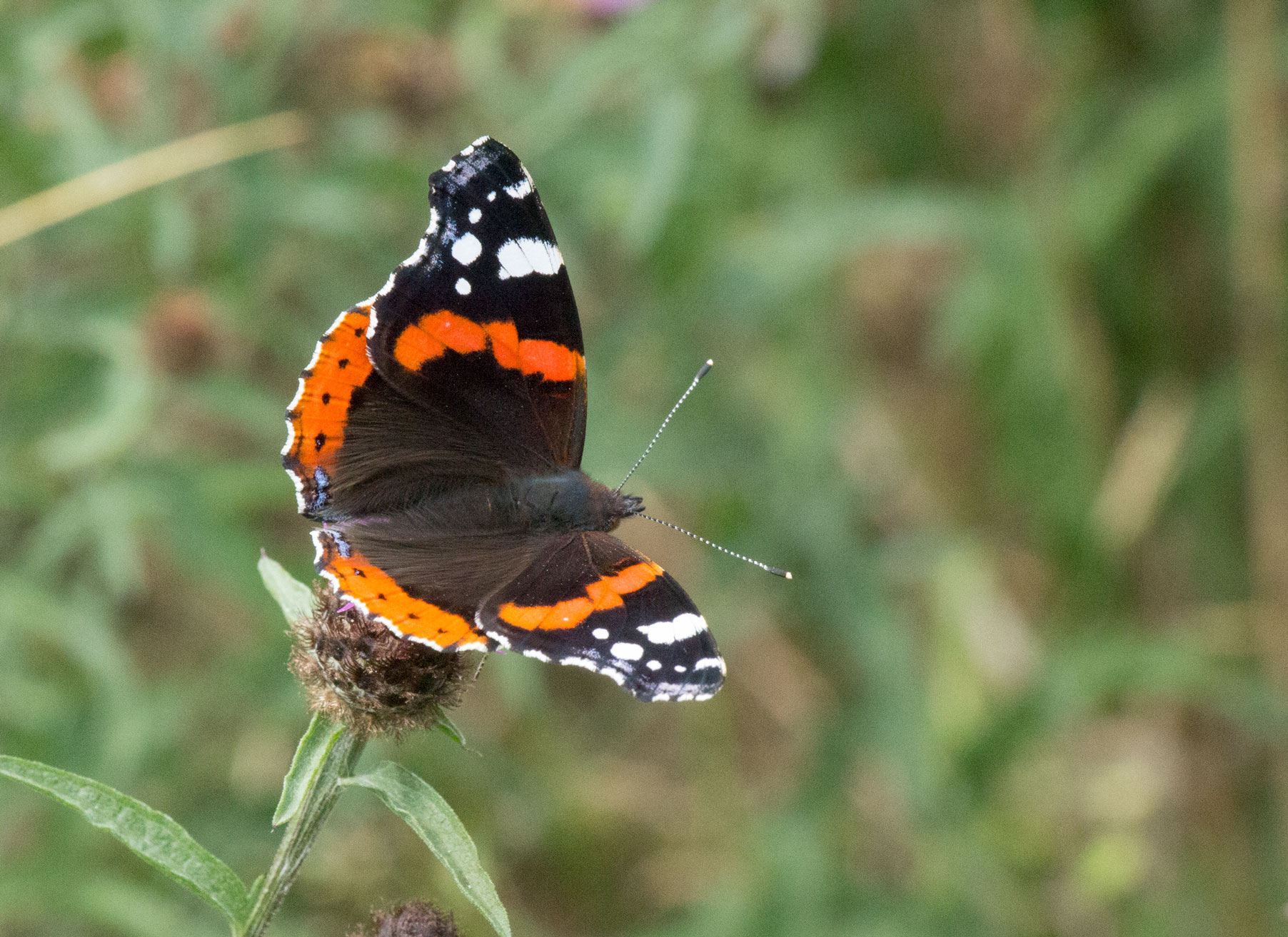
The red admiral is a common butterfly in Yorkshire. This one was on Yorkshire Water land at Timble Ings, near Fewston and Swinsty reservoirs.
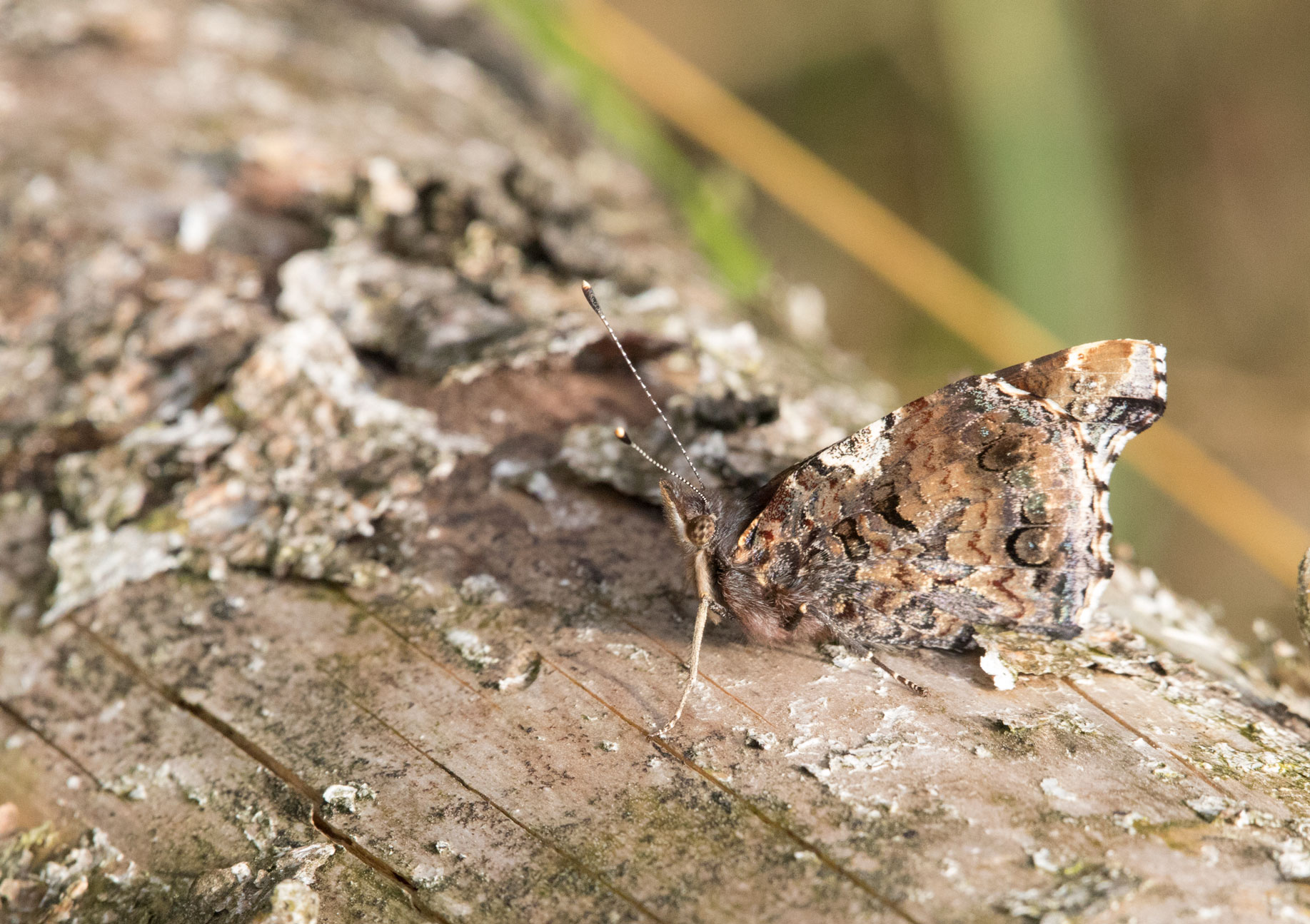
While bright and distinctive with its wings open, the red admiral is quite well camouflaged, wings closed, against a fallen log.
Red admiral
Yorkshire butterflies: ringlet
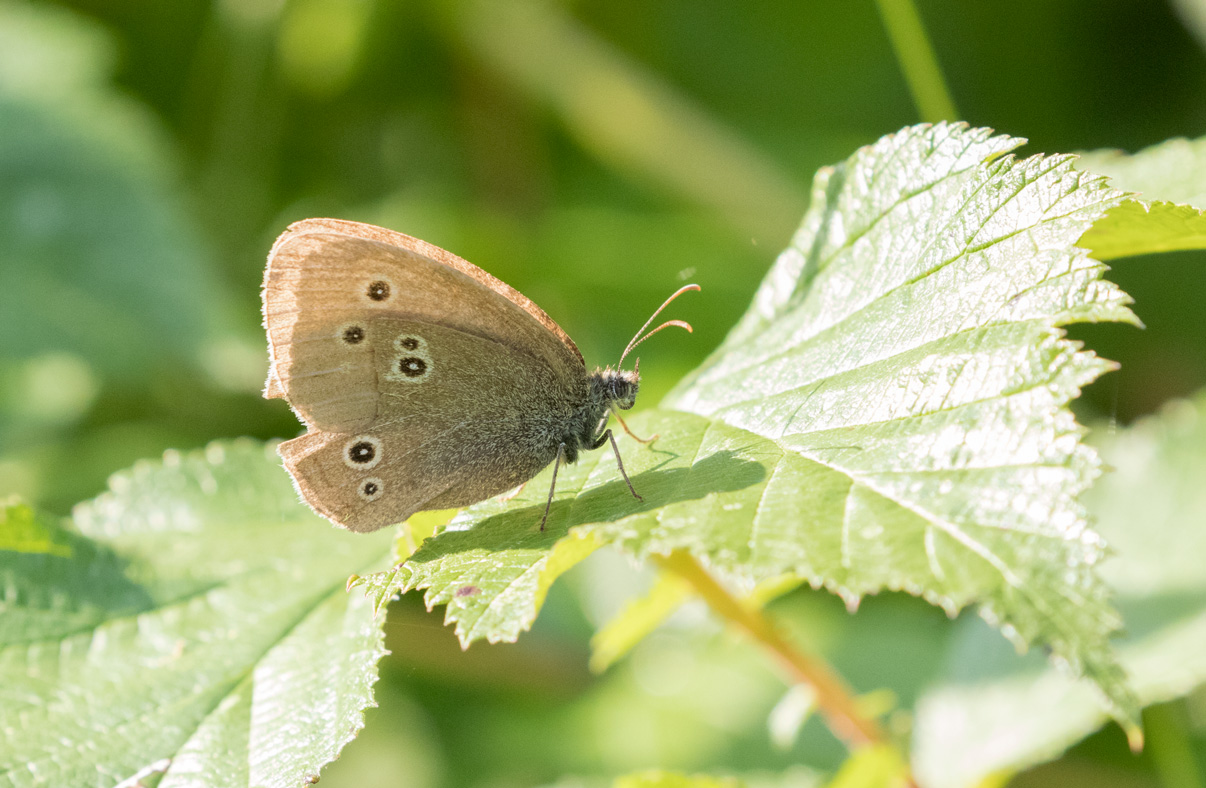
The ringlet butterfly.
Yorkshire butterflies: small white
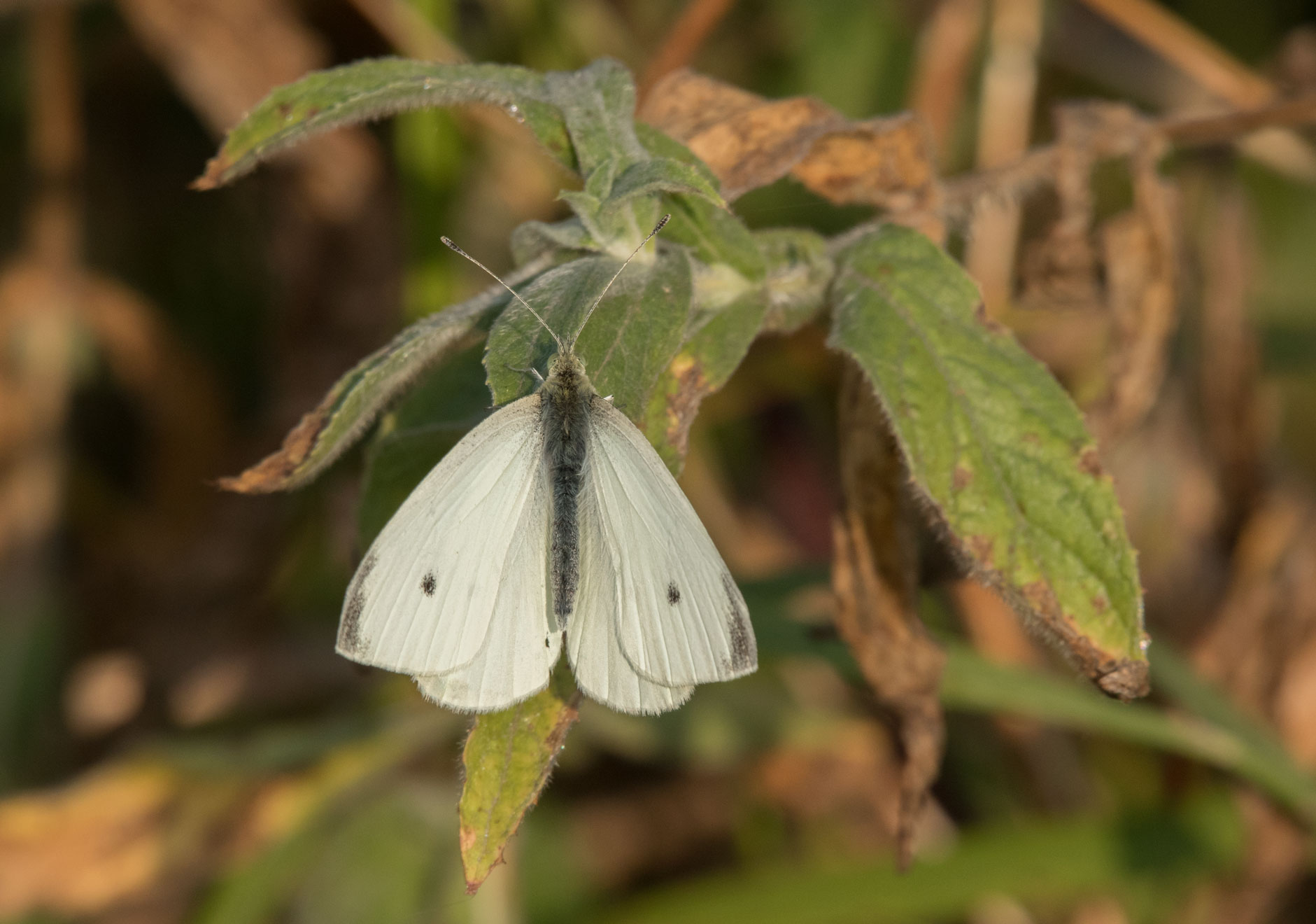
Both the small and large white butterflies are called 'cabbage whites'. The caterpillars eat brassicas, including cabbages; they will also eat wild plants.
Yorkshire butterflies: speckled wood
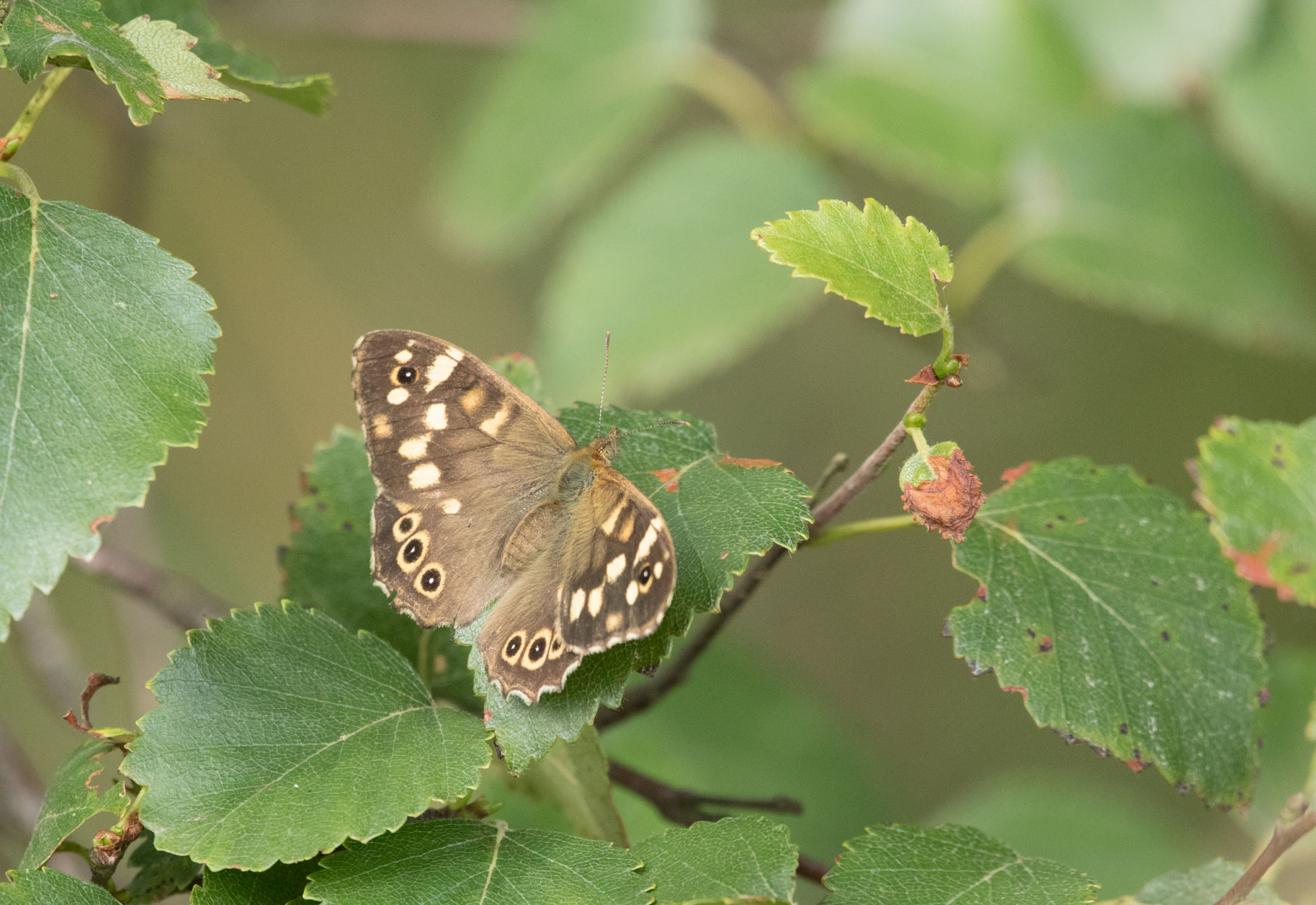
The speckled wood likes grassy, flowery habitats in, or on the edge of, woodland. As an adult butterfly, it feeds on nectar.
Some males defend territory - they find a sunny spot in the forest, and mate with a female if she flies into the territory. Other males patrol - fly through the forest actively searching for females. The female butterfly typically only mates once.
The caterpillar is green with a short, forked tail, and eats a variety of grasses.
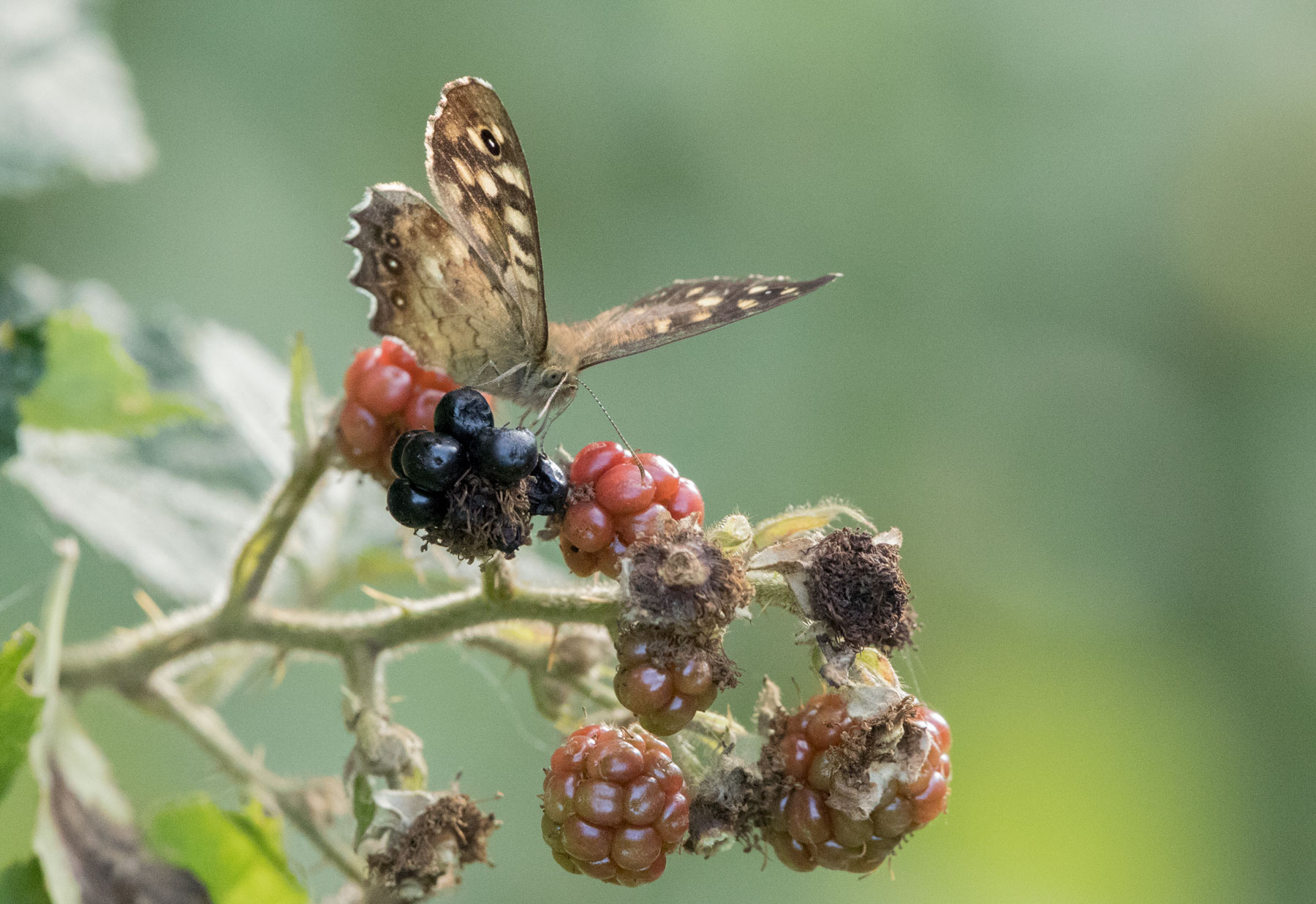
The species can overwinter as half-grown larvae or as pupae.
Yorkshire butterflies: wall brown
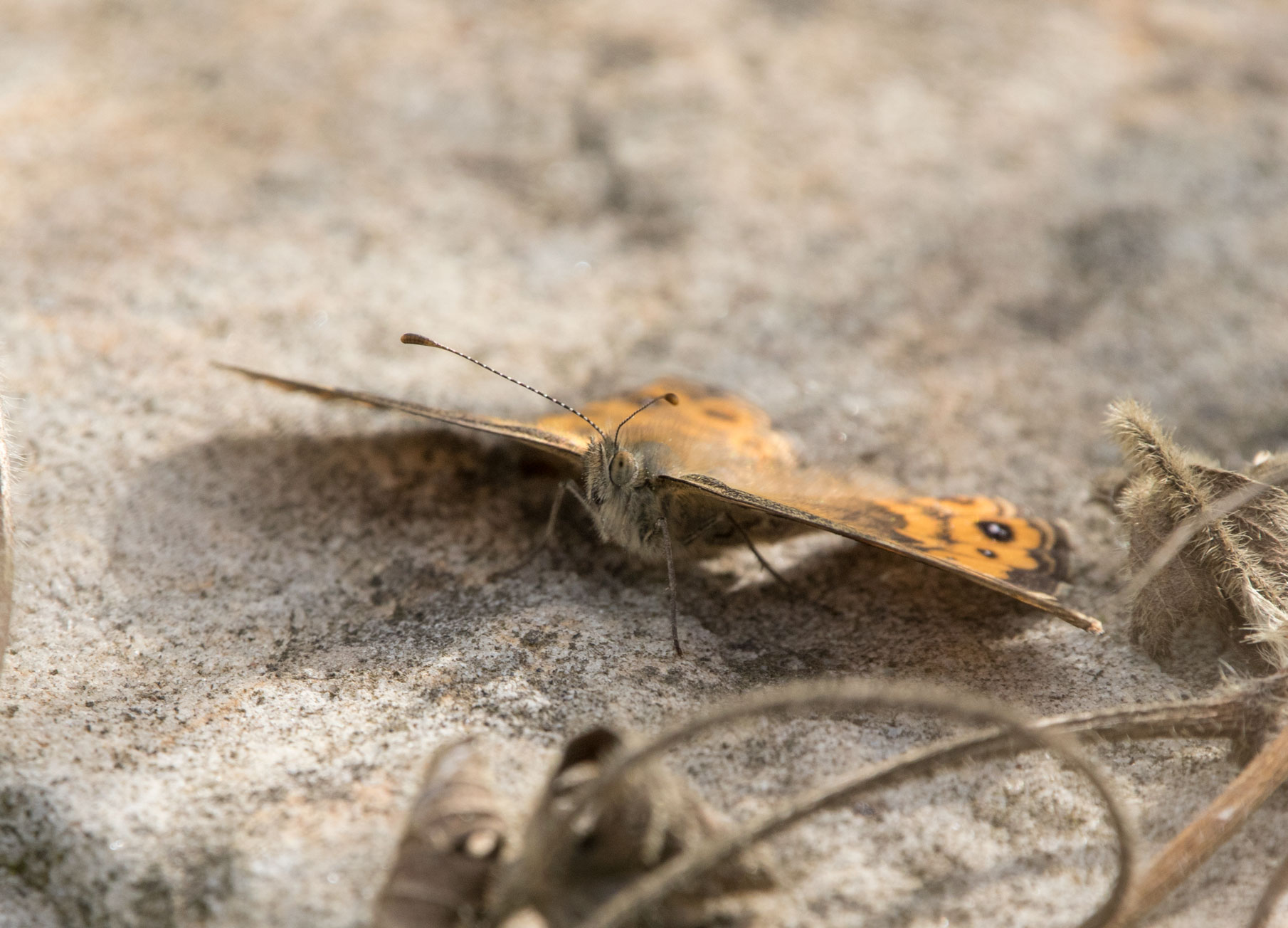
The wall butterfly, or wall brown, basks on walls and rocks. It lives in areas where there is short grass, and turf is bare, broken, or stony. It is in decline.
All images © Hedgehog Cycling